
As we move deeper into 2026, the interior design landscape is undergoing a massive shift. The sterile, ultra-minimalist "grey-on-grey" aesthetic of the early 2020s has officially retired. In its place, homeowners and interior designers are demanding warmth, authenticity, and a deep connection to nature.
This shift is most evident from the ground up. Rugs are no longer treated as an afterthought; they are the foundational piece that sets the emotional tone of a room. Based on procurement data from top architectural firms and our own Custom Studio requests, here is your definitive guide to the 2026 rug trends dominating the design world.
1. The Rise of Biophilic and Natural Fibers
Sustainability is no longer a buzzword; it is a baseline requirement. In 2026, interior designers are actively moving away from synthetic, petroleum-based rugs (like polyester and nylon) in favor of organic, biodegradable materials.
Jute, wool, sisal, and organic cotton are seeing a massive resurgence. This ties directly into Biophilic Design--the architectural concept of bringing the outdoors inside to reduce stress and increase well-being.
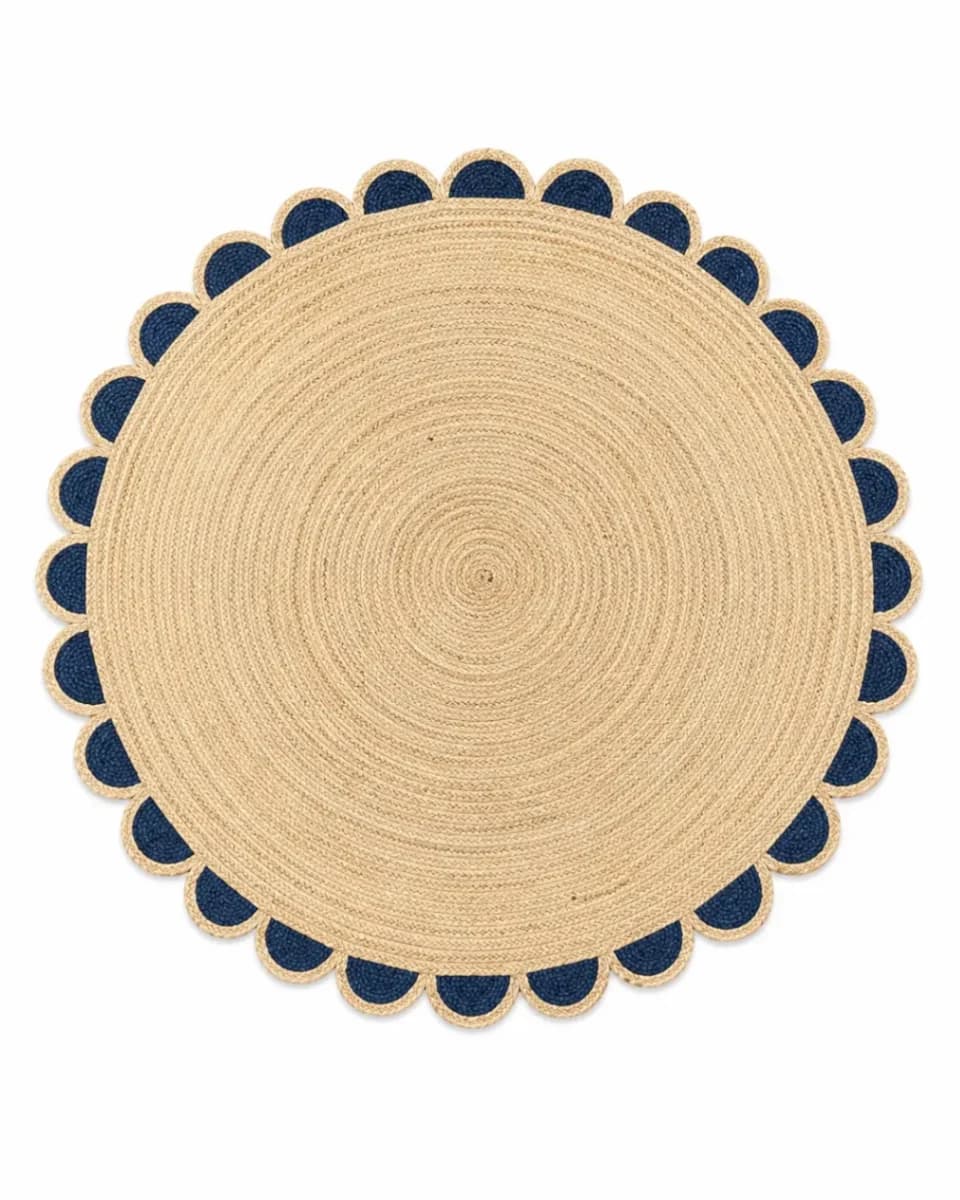
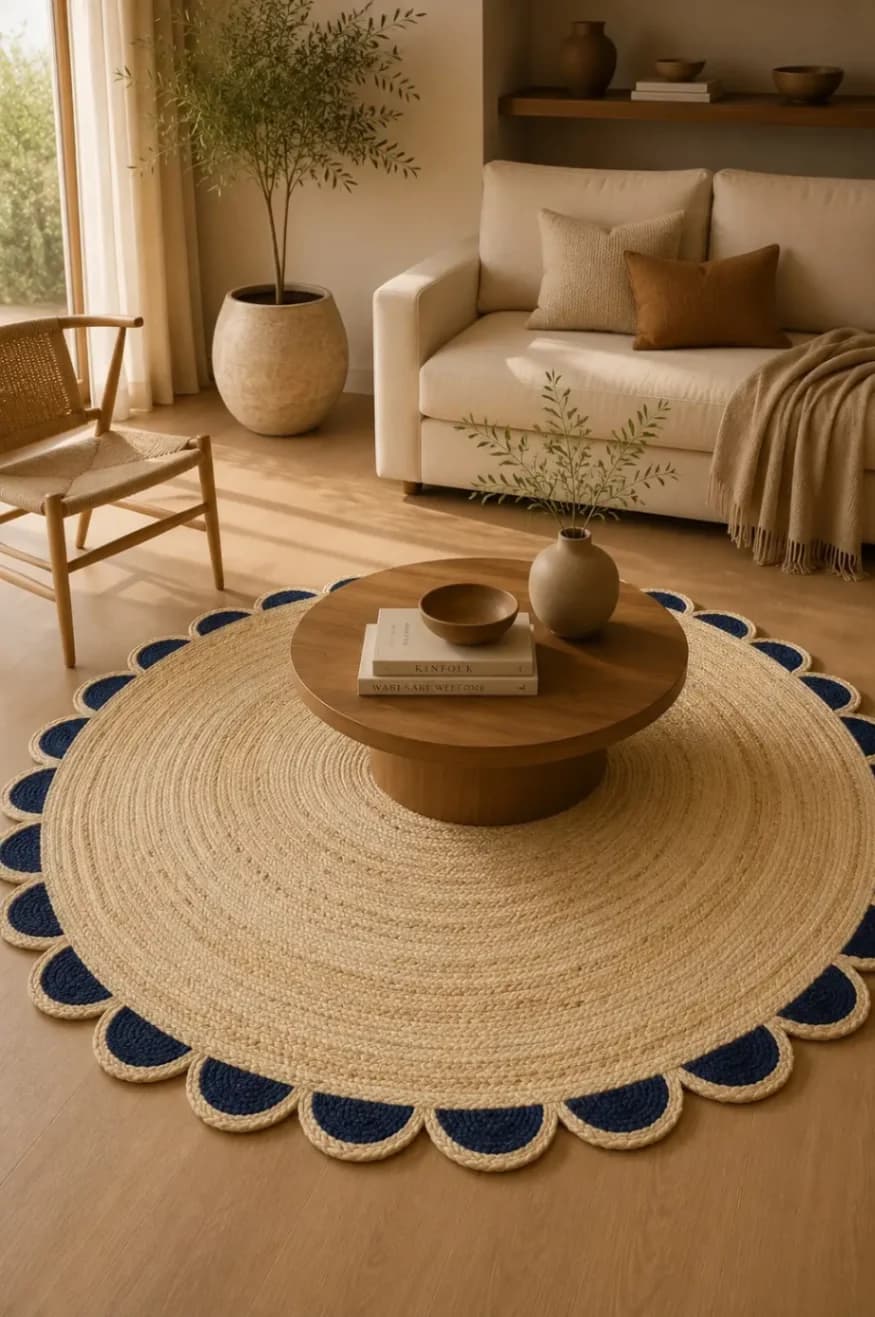
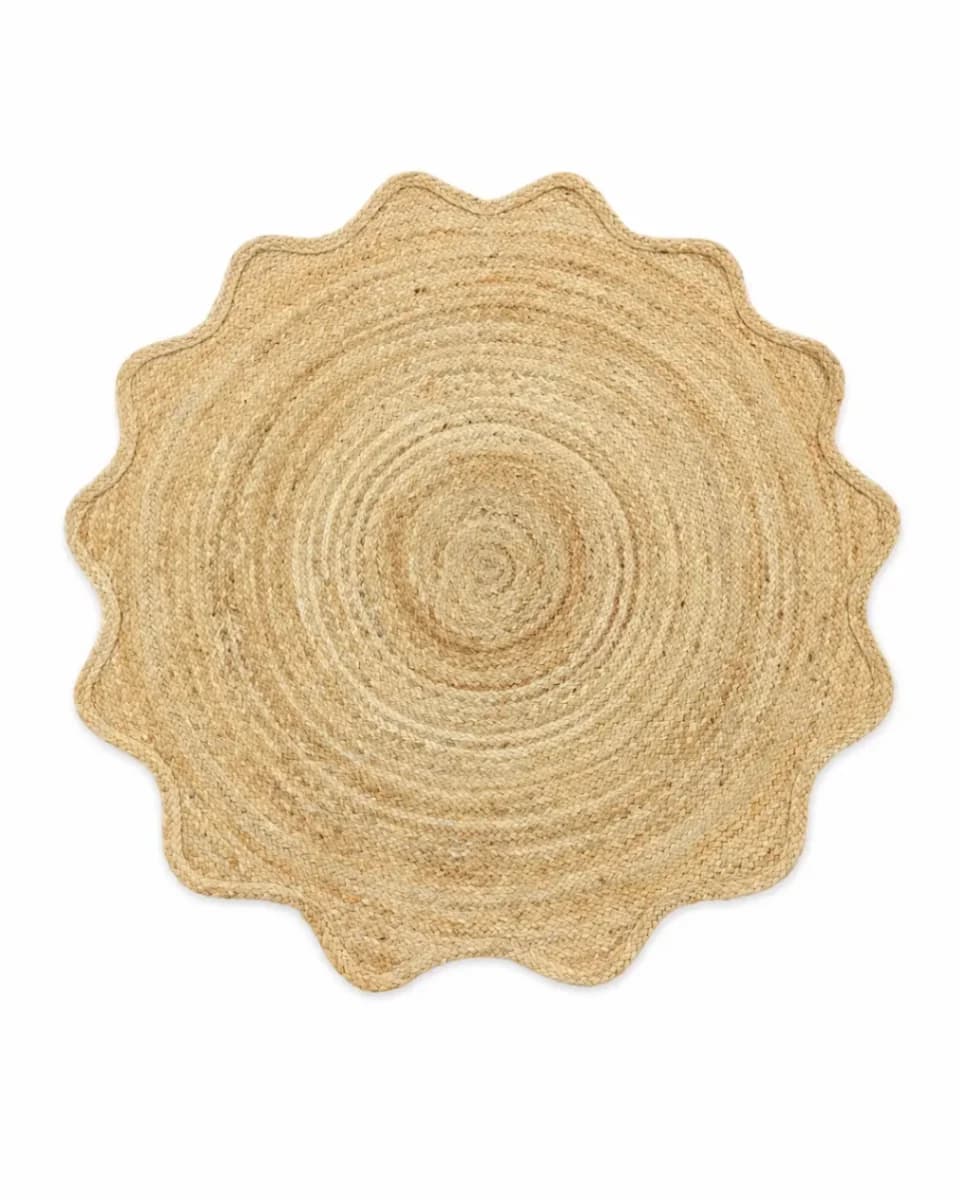
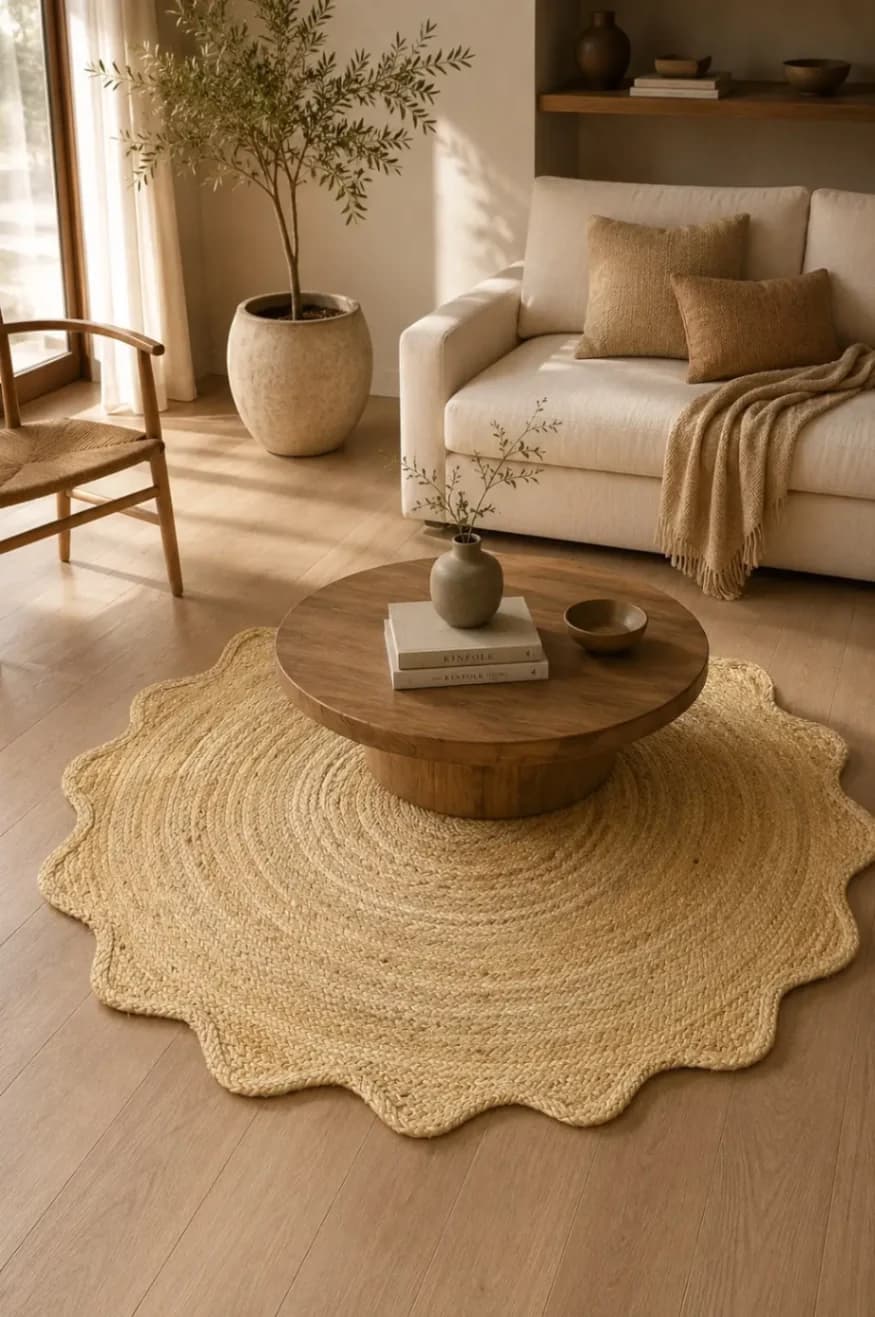
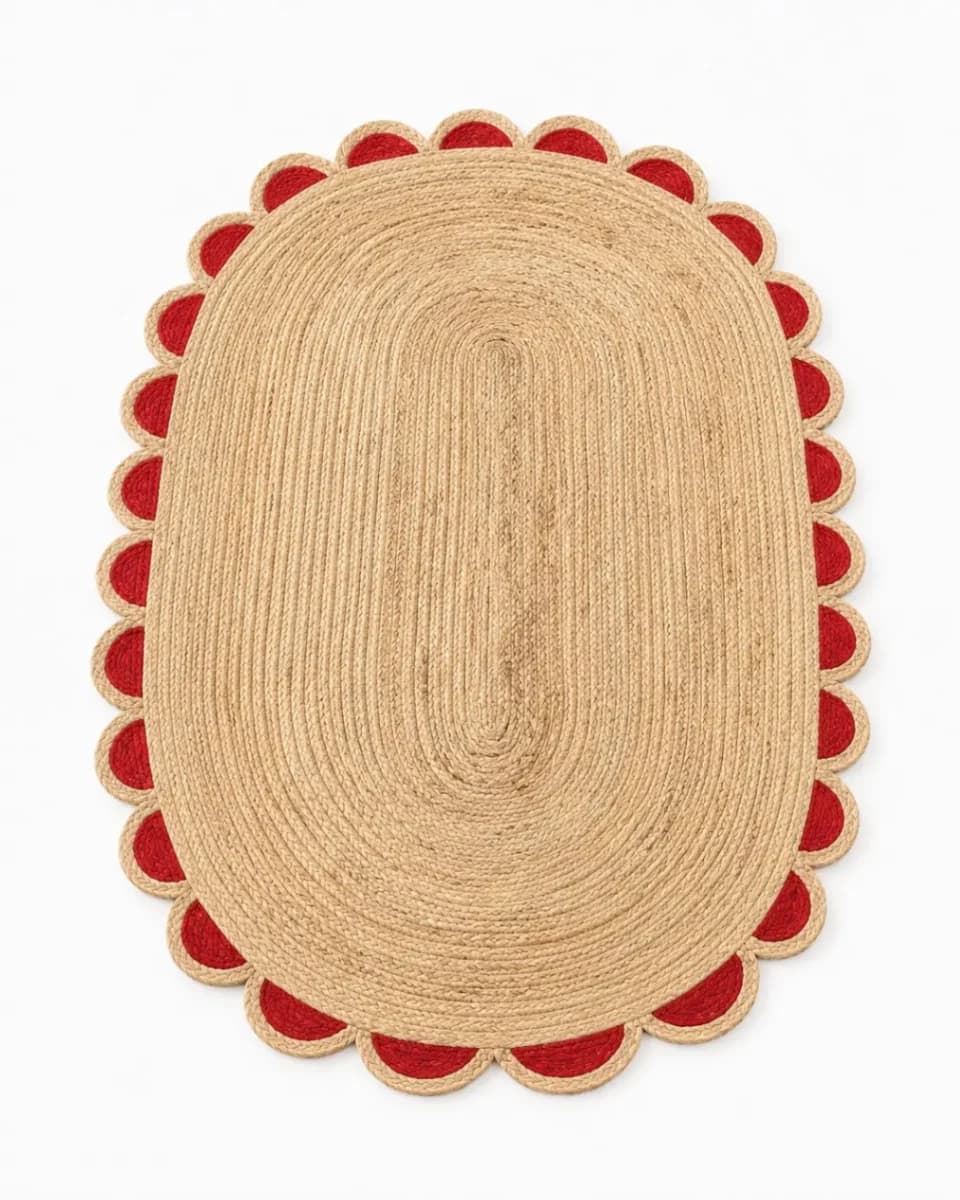
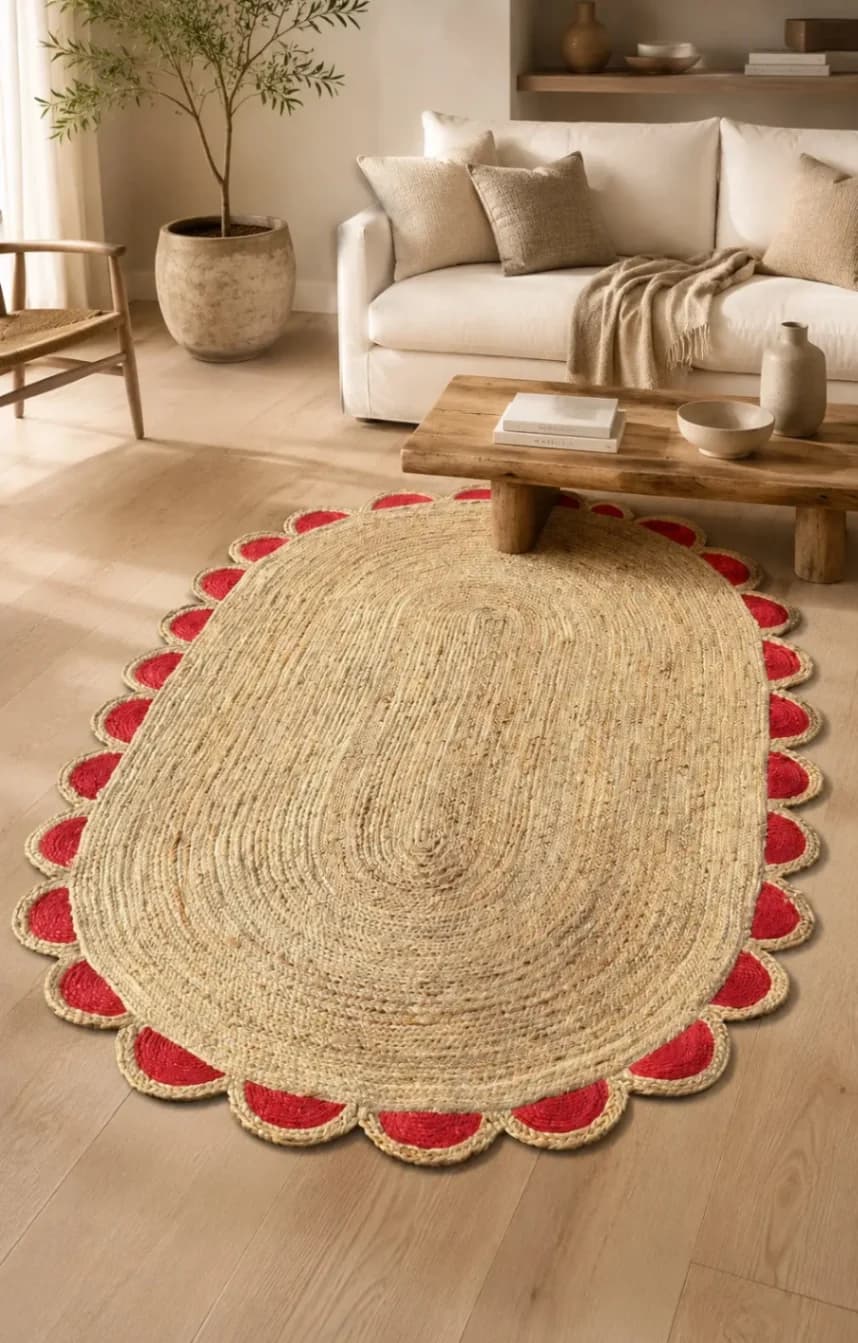
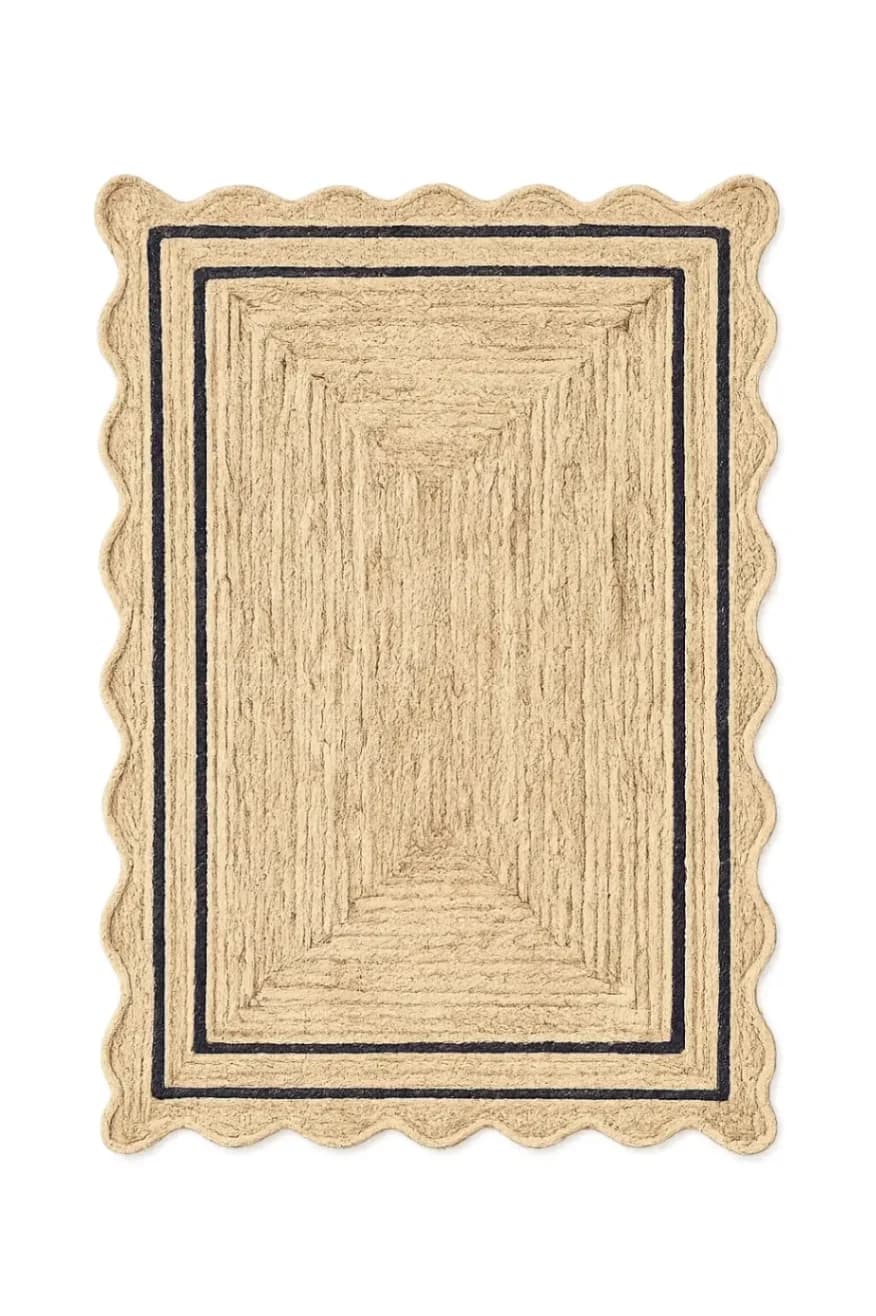
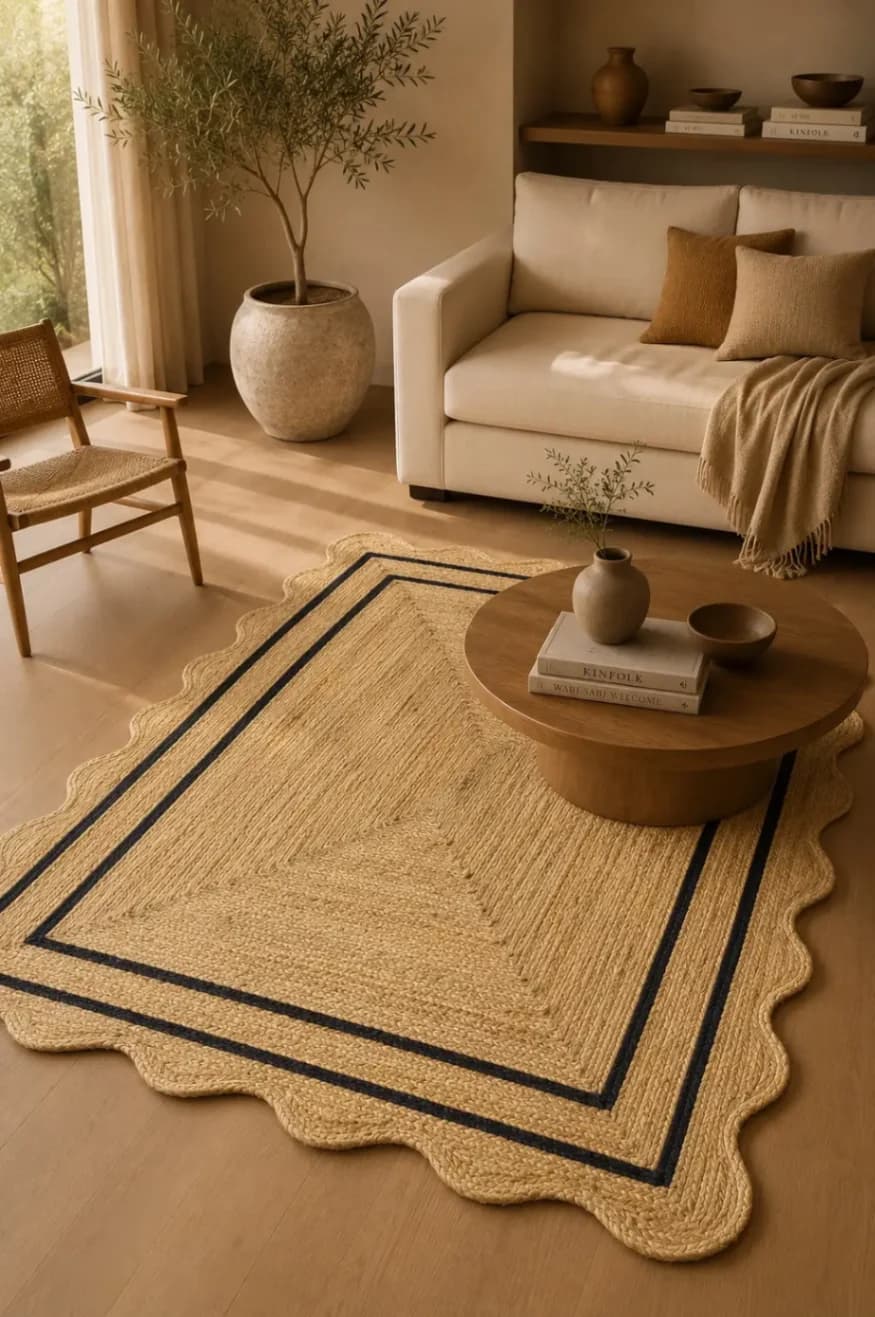
- The Look: Un-dyed, golden jute rugs that mimic the texture of natural earth and grass.
- How to Use It: Anchor a sun-drenched living room with a large, chunky natural fiber rug. Pair it with abundant indoor plants and terracotta accents. (Read more in our Guide to Biophilic Design).
2. "Quiet Luxury" Textures (Japandi Influence)
The "Quiet Luxury" fashion trend has firmly established itself in home decor. Instead of loud logos or chaotic patterns, luxury in 2026 is defined by exceptional craftsmanship and high-end, tactile materials.
This pairs perfectly with the Japandi aesthetic--a blend of Japanese minimalism and Scandinavian coziness.
- The Look: Tone-on-tone textures. Think a cream-colored rug where the pattern is created not by ink, but by carving and varying the pile height (a technique often used in hand-tufted rugs).
- How to Use It: Opt for a high-quality, hand-tufted jute and wool blend in a solid ivory or charcoal color. The luxury comes from the feel of the natural wool beneath your feet, rather than a busy pattern.
3. The Art of Rug Layering
Why choose one rug when you can have two? Rug layering has evolved from a niche Bohemian styling trick into a mainstream design standard for 2026.
Layering allows homeowners to combine the practicality and affordability of a large natural fiber rug with the artistic impact of a smaller, more expensive statement piece.
- The Look: A large, flatweave jute rug acting as a border for a smaller, vibrant vintage Persian or geometric kilim rug placed on top.
- How to Use It: This is perfect for defining zones in open-concept living spaces. (Master this technique with our Rug Layering Guide).
4. Earthy, Muddy Color Palettes
Cool greys and stark whites are out. 2026 is the year of "muddy" earth tones.
Designers are specifying rugs in shades of olive green, baked terracotta, warm ochre, rust, and deep espresso. These colors feel grounding and comforting, creating spaces that feel like a retreat from the fast-paced digital world.
- The Look: Rich, saturated, but slightly muted colors that look as though they were derived from natural plant dyes.
- How to Use It: If you are intimidated by color, start with a natural golden jute rug (ochre) as your base, and introduce olive or terracotta through your upholstery and throw pillows. (See how this fits into different styles in our Aesthetic Guide).
2026 Rug Trends: What's In vs. What's Out
| What is IN for 2026 | What is OUT for 2026 |
|---|---|
| Natural Fibers (Jute, Wool) | Synthetic Fibers (Polypropylene) |
| Warm Earth Tones (Ochre, Olive) | Cool, Stark Greys |
| Rug Layering | Floating "Postage Stamp" Rugs |
| Handcrafted / Artisan Made | Mass-Produced / Machine Printed |
5. Customization and Bespoke Sizing
Finally, 2026 is the year homeowners stopped settling for "close enough." With the rise of direct-to-consumer artisan brands, ordering a custom rug is no longer restricted to elite architectural firms.
Consumers are increasingly ordering rugs cut to the exact dimensions of their unique, irregular spaces, rather than trying to force a standard 8x10 rug into a room where it doesn't quite fit. (If you are struggling with sizing, consult our Rug Size Guide).
Frequently Asked Questions (FAQs)
Are jute rugs still in style in 2026?+
What is the most popular rug color for 2026?+
Is rug layering a passing fad?+
Should I buy a synthetic or natural rug?+
Stay Ahead of the Curve
In 2026, a beautiful home starts with a sustainable, handcrafted foundation.
Explore The Jute's new arrivals to find natural fiber rugs that embody the warmth, texture, and mindful design dominating this year's trends. If you want to embrace the bespoke trend, visit our Custom Studio to have a rug woven to your exact specifications by our artisans in India.