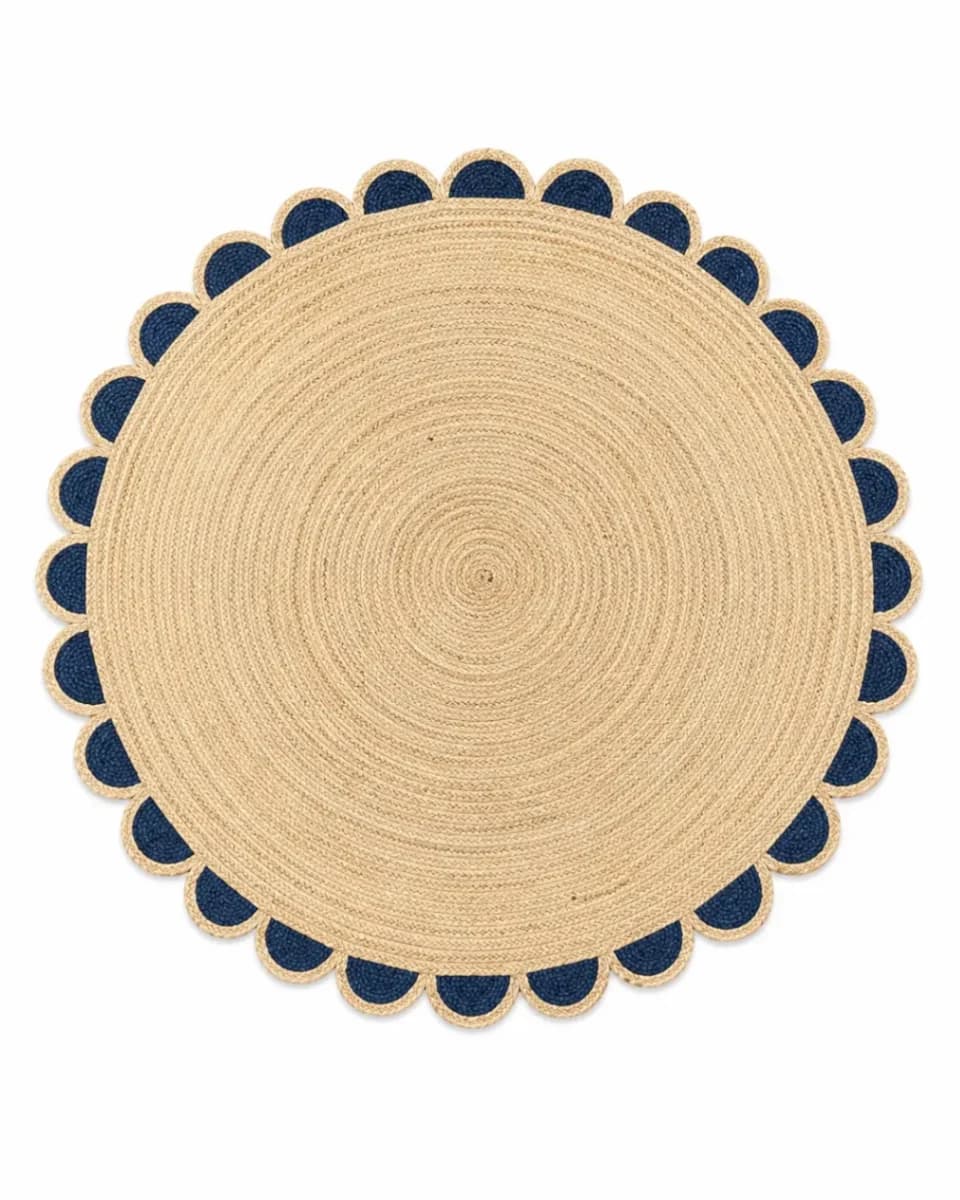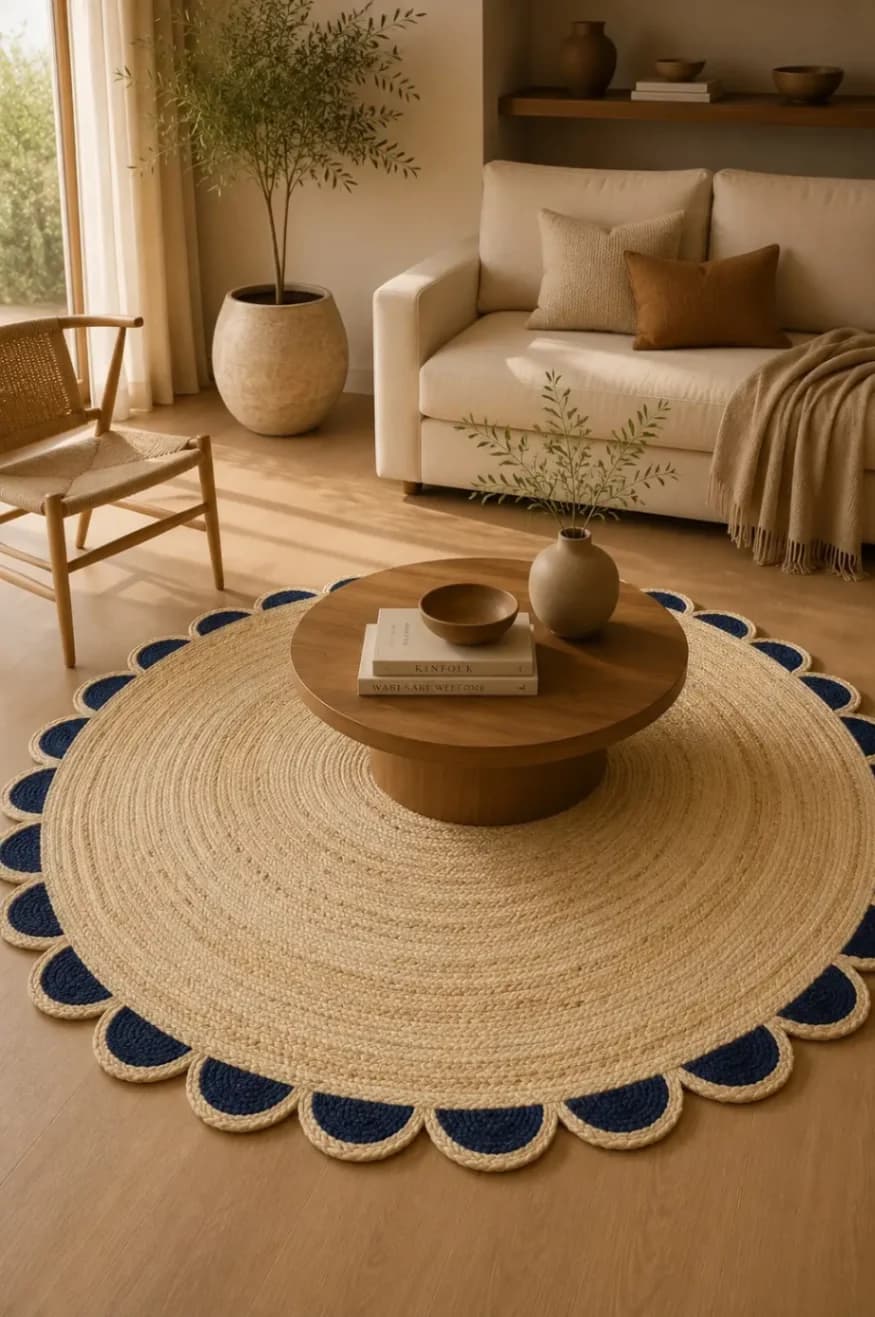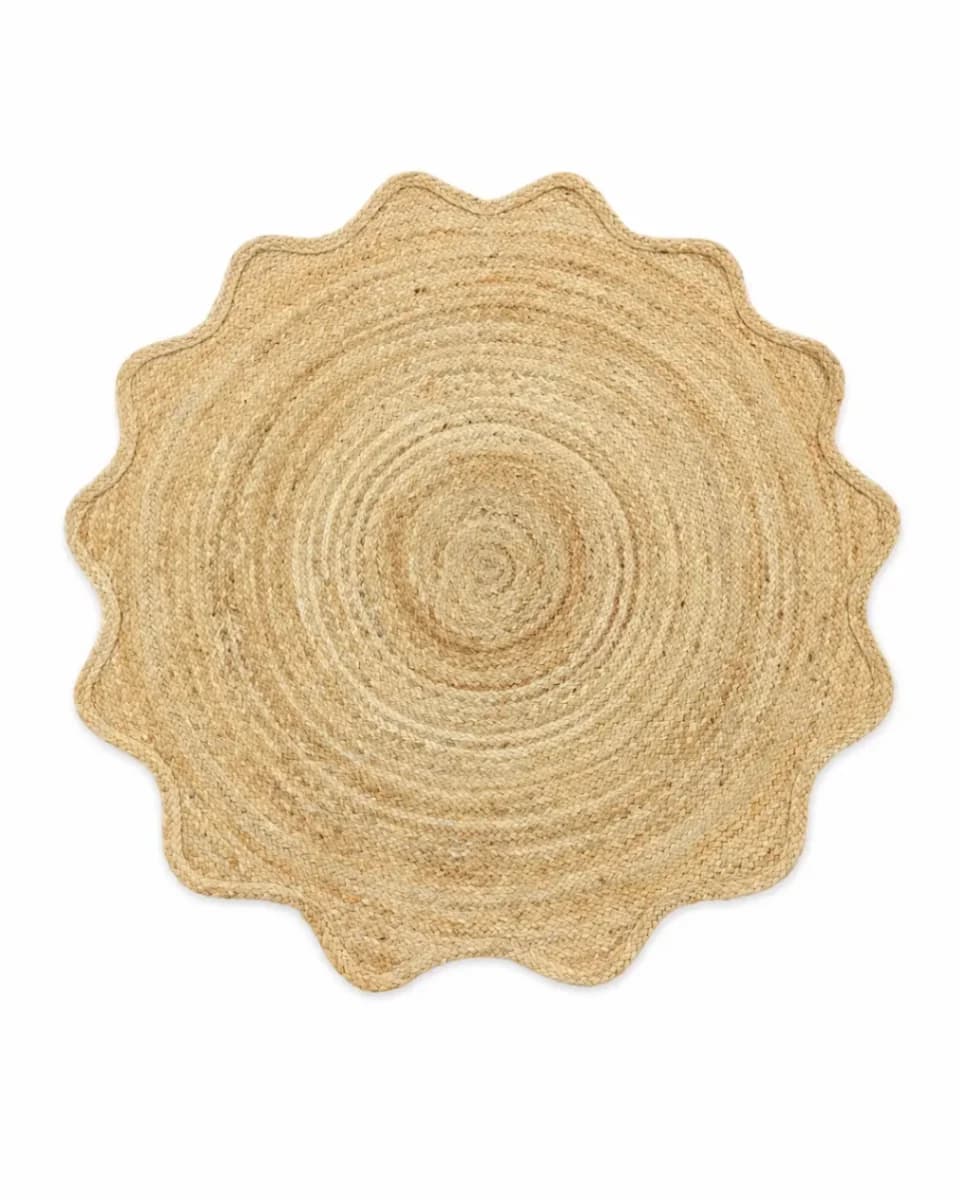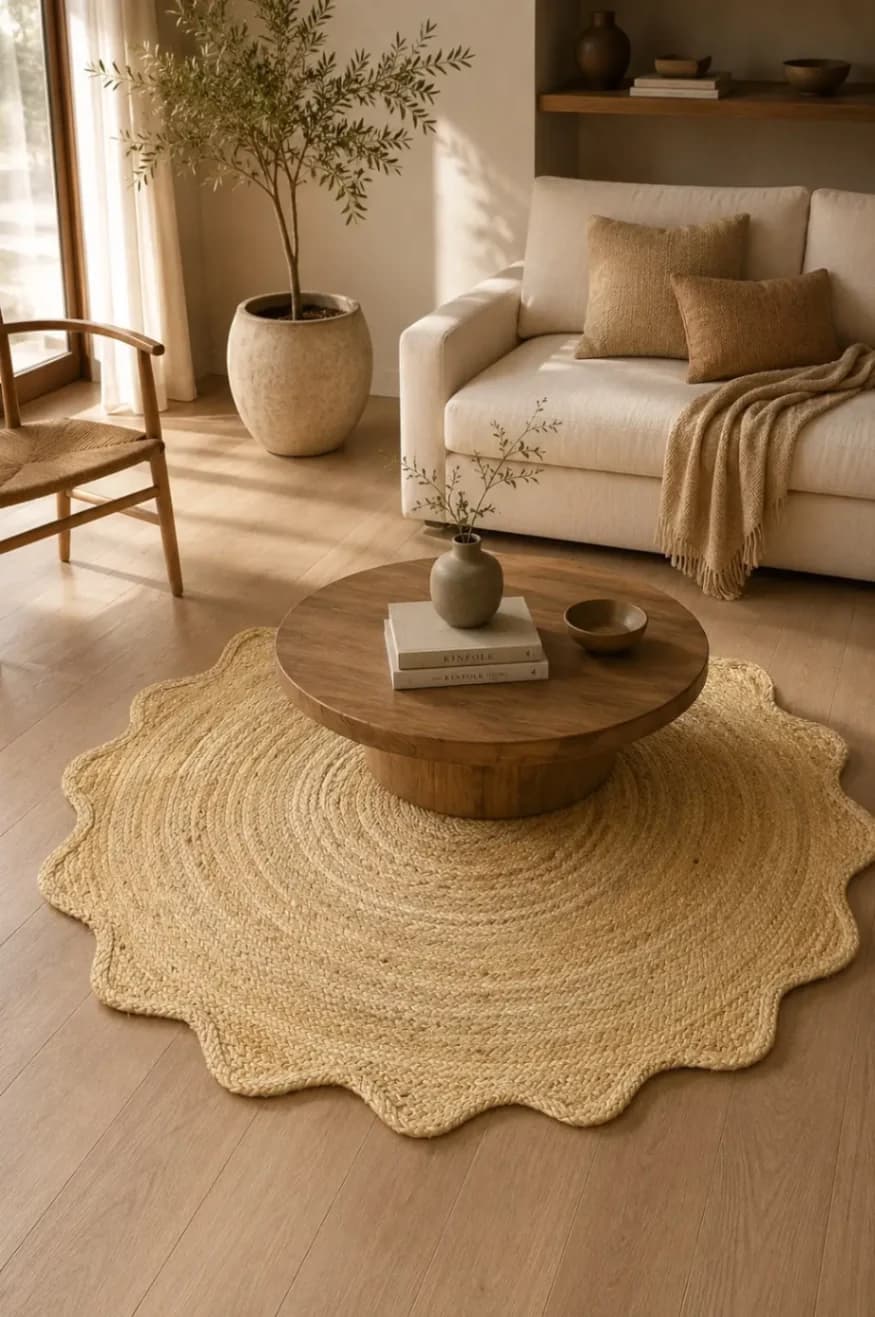

When you decide to purchase a natural fiber rug, you are making a fantastic choice for the environment and the aesthetic of your home. But the decision-making process doesn't stop there. You are immediately faced with three distinct options: Jute, Sisal, and Wool.
While they may look somewhat similar from a distance, these three materials perform very differently in terms of softness, durability, and maintenance.
In this comprehensive guide, we compare Jute vs. Sisal vs. Wool to help you determine exactly which natural fiber is the best fit for your living room, bedroom, or high-traffic hallway.
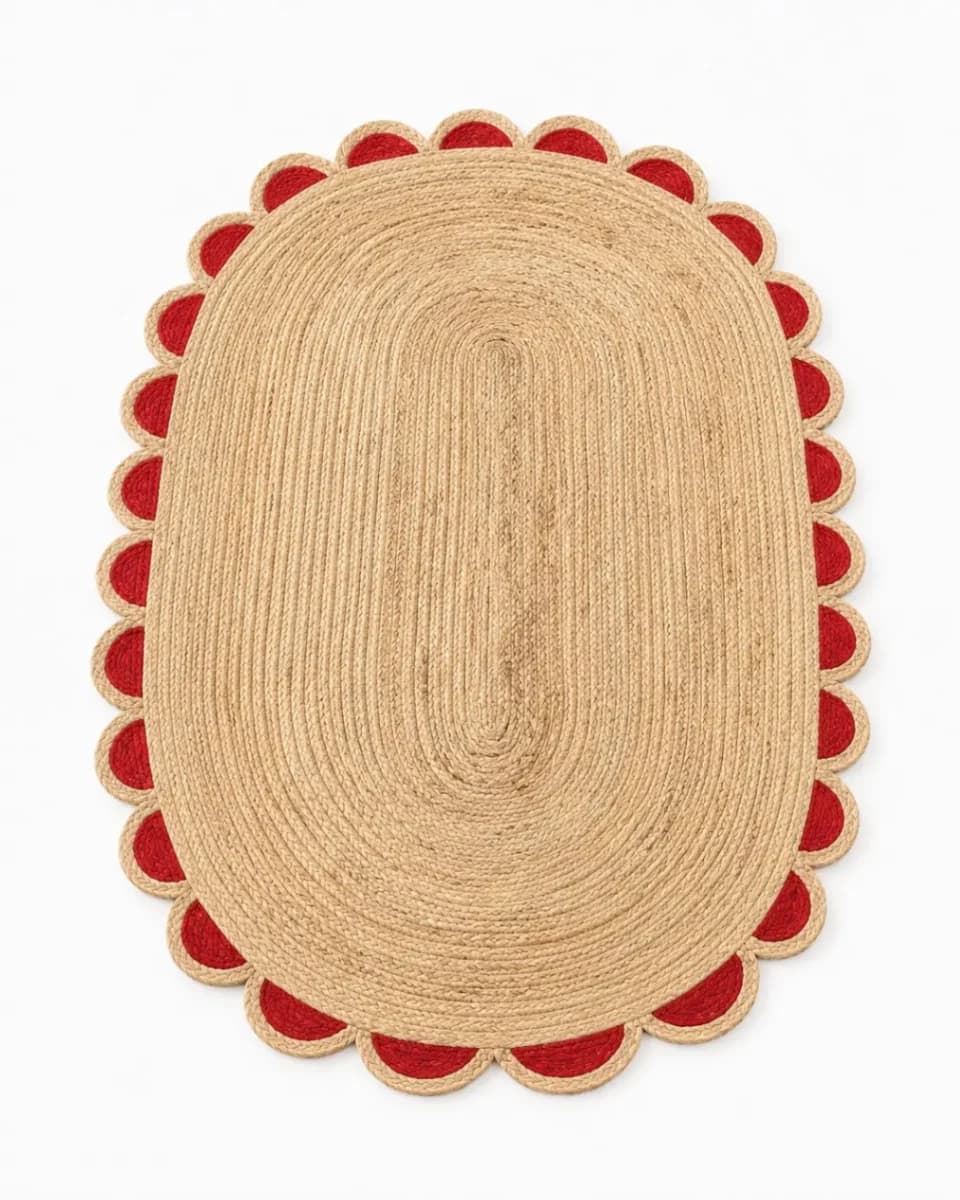
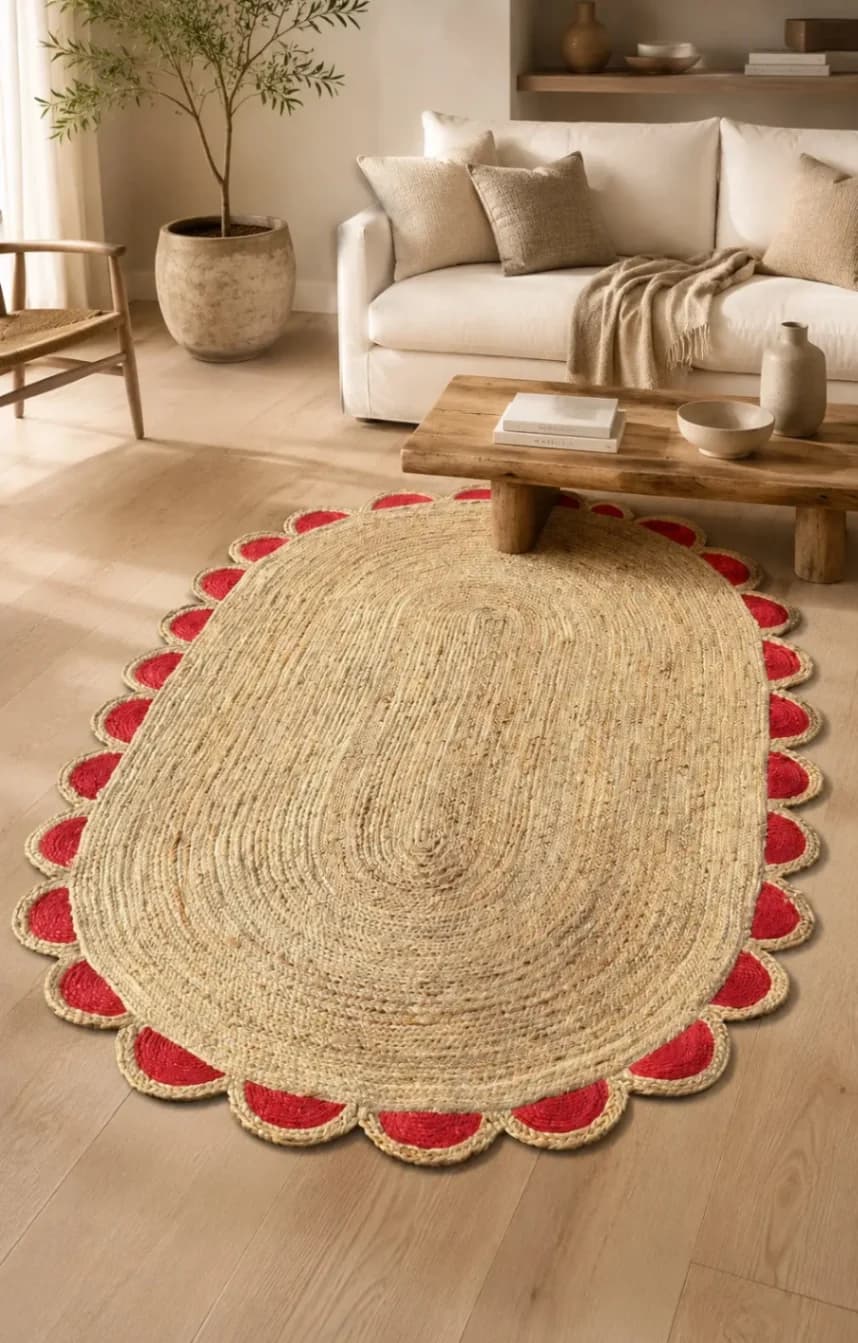
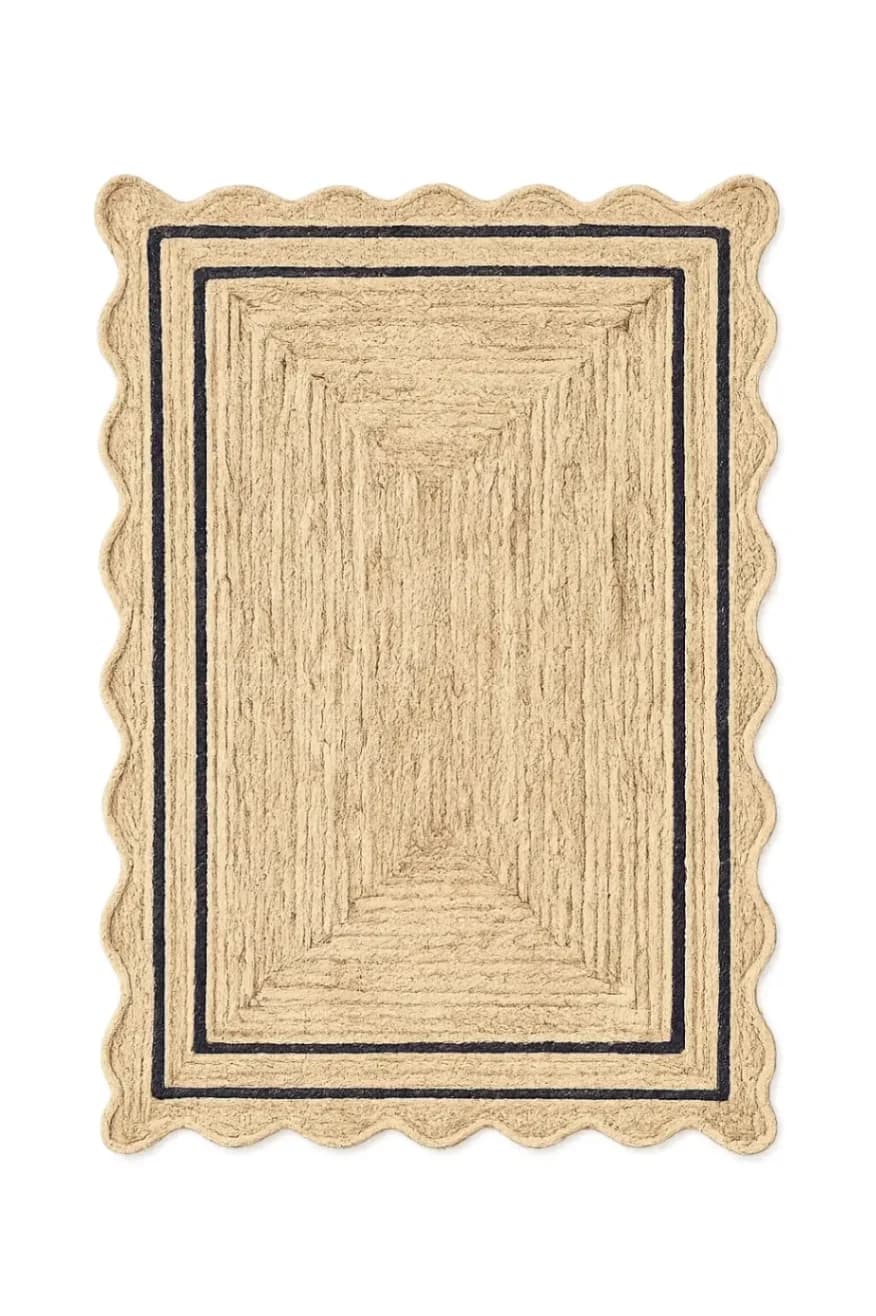
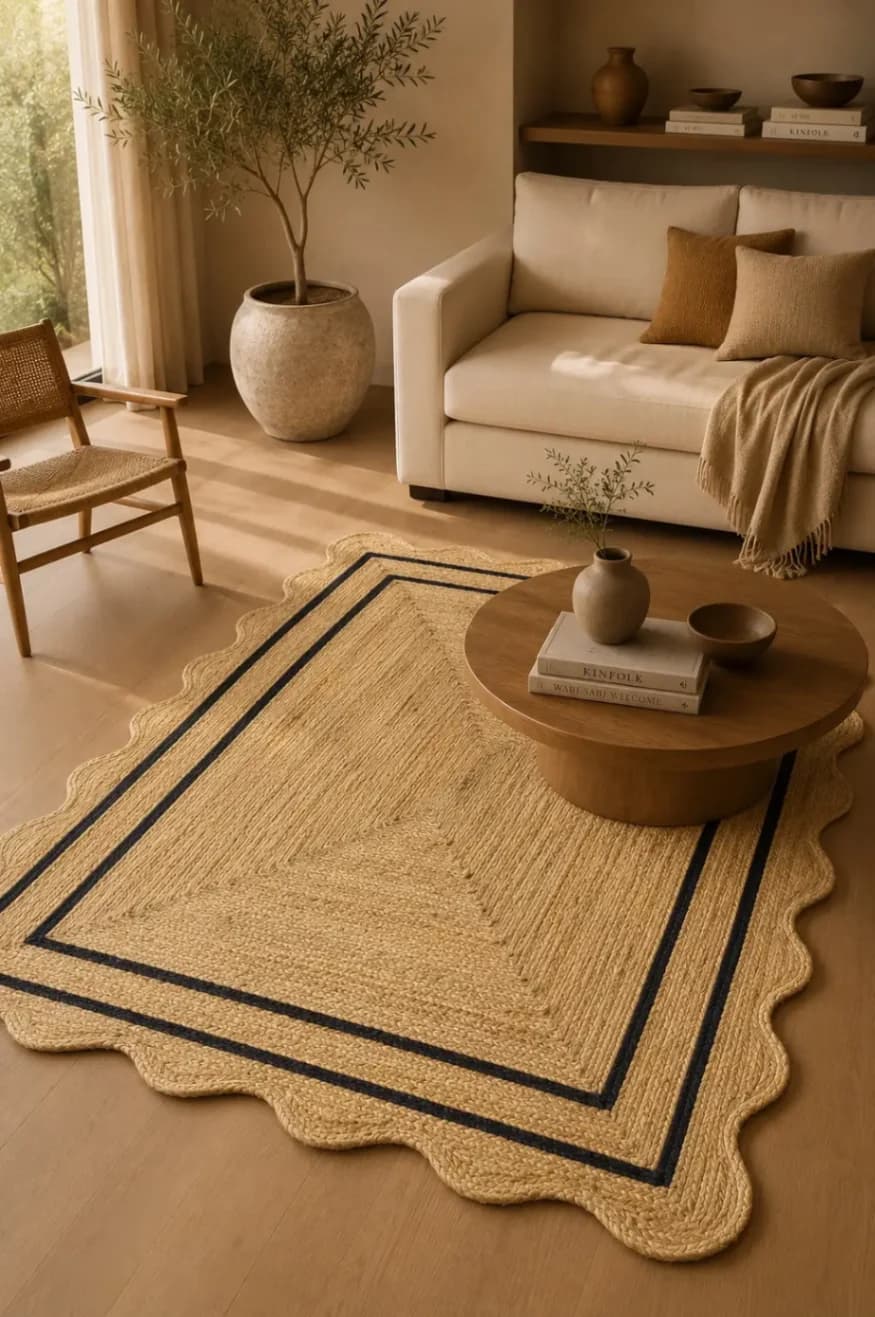
1. Jute Rugs: The Soft & Golden Choice
Derived from the stalks of the Corchorus plant, jute is affectionately known as the "golden fiber."
The Pros:
- Incredible Softness: Of all the plant-based fibers, jute is by far the softest. It is comfortable to walk on barefoot, making it perfect for cozy spaces.
- Aesthetic Appeal: Jute has a natural, subtle sheen and a warm, golden-brown hue that instantly adds organic warmth to a room.
- Affordability: Because the plant grows incredibly fast, jute is generally the most budget-friendly natural fiber option.
The Cons:
- Durability: Because the fibers are soft, pure jute is not ideal for extreme high-traffic areas (like a busy entryway) as it can wear down over time.
- Absorbency: Jute acts like a sponge. It absorbs water instantly, meaning it cannot be steam cleaned and should never be placed in a bathroom.
Best Room For Jute: Bedrooms, formal living rooms, and low-traffic dining rooms. (Learn more in our Jute Rug Buying Guide).
2. Sisal Rugs: The Tough & Textured Choice
Sisal is extracted from the leaves of the Agave sisalana plant (a succulent native to southern Mexico).
The Pros:
- Extreme Durability: Sisal is incredibly tough and stiff. It is the most durable plant-based fiber, capable of withstanding heavy foot traffic without breaking a sweat.
- Takes Dye Well: Unlike jute, which has a distinct golden undertone, sisal fibers are naturally creamy white, meaning they take to dyes brilliantly for crisp, vibrant patterns.
The Cons:
- Rough Underfoot: The durability of sisal comes at a cost to comfort. It is coarse, scratchy, and not pleasant to walk on barefoot.
- Stains Easily: Like jute, sisal is highly absorbent. Water spills can leave permanent "watermarks" on the rug if not dried immediately.
Best Room For Sisal: Hallways, entryways, stairs, and home offices (where chairs need to roll easily).
3. Wool Rugs: The Luxurious Standard
Wool is an animal fiber, shorn primarily from sheep (with New Zealand wool considered the gold standard for rugs).
The Pros:
- Unmatched Softness: Nothing beats the plush, luxurious feel of a high-quality wool rug.
- Naturally Stain Resistant: Wool fibers have a natural protective coating (lanolin) that repels water and prevents dirt from sinking deep into the rug.
- Incredible Longevity: A hand-knotted or hand-tufted wool rug has a "memory" that allows the pile to bounce back after being walked on. They can easily last for decades.
The Cons:
- Price: Wool is significantly more expensive than plant-based fibers like jute and sisal.
- Shedding: New wool rugs (especially tufted ones) will shed significantly for the first few months.
Best Room For Wool: Any room in the house, particularly high-traffic living rooms and children's bedrooms.
The Ultimate Compromise: The Jute-Wool Blend
What if you want the earthy, organic texture of a jute rug, but the barefoot softness and durability of wool?
You blend them.
At The Jute, our most popular rugs are Jute-Wool blends. By weaving the structural, golden fibers of jute alongside the plush, resilient fibers of New Zealand wool, we create a rug that offers the best of both worlds.
The wool provides a comfortable cushion and natural stain resistance, while the jute provides structural integrity and a grounded, organic aesthetic. It is the perfect modern rug for a high-traffic living room.
Fiber Comparison Summary
| Feature | Jute | Sisal | Wool | Jute-Wool Blend |
|---|---|---|---|---|
| Softness | High | Low | Very High | Very High |
| Durability | Moderate | Very High | Very High | High |
| Stain Resistance | Low | Low | High | Moderate-High |
| Price Point | $ | $$ | $$$ | $$ |
Frequently Asked Questions (FAQs)
Which is better for dogs: jute, sisal, or wool?+
Do sisal and jute rugs smell?+
Which rug is easiest to clean?+
Find Your Perfect Material
Whether you want the organic warmth of pure jute or the luxurious softness of a jute-wool blend, your perfect rug is waiting.
Shop our collection of natural fiber rugs to find the exact texture your home needs. Or, if you need a specific size for a tricky hallway or dining room, visit our Custom Studio.